Toxic and Transfixing: How Artists Are Turning Algal Blooms Into Unsettling Masterworks
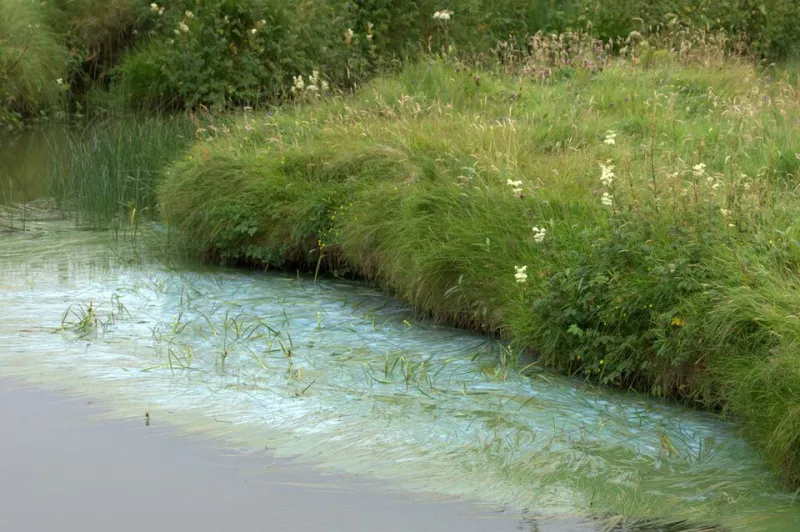
Photo: Mike Pennington , CC BY-SA 2.0, via Wikimedia Commons
There is something deeply disorienting about the surface of Lake Erie during a cyanobacteria bloom. The water turns the color of pea soup, then shifts toward turquoise, then deepens into something almost luminous—a palette that, photographed and removed from context, reads as otherworldly and gorgeous. It is also, unambiguously, a sign of ecological collapse. This tension sits at the heart of a growing movement in contemporary visual art, one in which a cohort of American artists is mining environmental disasters not to aestheticize suffering, but to use beauty as a kind of ethical trap.
The work emerging from this movement does not offer comfort. It offers complicity.
The Bloom as Raw Material
For artists like those working in studios adjacent to the Great Lakes region and the Gulf Coast, the harmful algal bloom—or HAB—has become both subject and medium. Photographers, painters, and installation artists are traveling to sites of eutrophication events: the oxygen-depleted dead zones in the Gulf of Mexico, the toxic Microcystis blooms that have repeatedly closed recreational areas along Lake Okeechobee in Florida, and the recurring cyanobacteria outbreaks in Utah's Great Salt Lake tributaries.
What they are bringing back is not simply imagery. Several practitioners have begun collecting bloom water itself, preserving it in resin, cultivating controlled algae cultures in studio tanks, and using the pigments produced by dying phytoplankton as literal paint. The resulting works carry a biological authenticity that digital simulation cannot replicate. The colors—electric greens, rust-tinged oranges, the deep blue-green of toxic Anabaena—emerge from organisms that are themselves symptoms of nitrogen and phosphorus overloading caused by industrial agriculture and municipal runoff.
The process is methodical and, by necessity, safety-conscious. Working with cyanotoxins requires protective protocols. But the artists involved describe the handling of these materials as integral to the work's meaning: to make something beautiful from something dangerous is not an abstraction. It is a physical fact.
Beauty as Ethical Ambush
The critical conversation around this work often circles back to a single, uncomfortable question: Is aestheticizing ecological harm irresponsible? The concern is legitimate. Rendering a toxic bloom as a luminous canvas panel risks transforming a public health crisis into gallery decor, stripping urgency from an issue that demands it.
The artists themselves are acutely aware of this tension—and many argue that it is precisely the tension that makes the work function. When a viewer encounters a large-format photograph of a Chesapeake Bay bloom and experiences an involuntary moment of wonder before reading the caption, something important has occurred. The gap between aesthetic pleasure and moral recognition becomes the content of the piece. The viewer is implicated before they have had the chance to position themselves as a concerned observer.
This approach has precedent in environmental art history, from the photographs of Edward Burtynsky—whose images of industrial devastation have been criticized and celebrated on similar grounds—to the pigment-rich canvases of Alexis Rockman, whose work on ecological futures occupies similar ethical territory. What distinguishes the current bloom-focused movement is its hyper-specificity to water systems and its insistence on biological material as medium.
Studio Processes and the Science of Dying Water
Understanding what these artists are working with requires a brief excursion into limnology. Eutrophication occurs when a body of water receives excess nutrients—primarily nitrogen and phosphorus from fertilizer runoff, sewage discharge, and atmospheric deposition. These nutrients trigger explosive algae growth. As the algae die and decompose, bacteria consume oxygen, creating hypoxic or anoxic zones where aquatic life cannot survive. The visual signature of this process—the bloom itself—is frequently the most visually dramatic stage of what is, in effect, a slow suffocation.
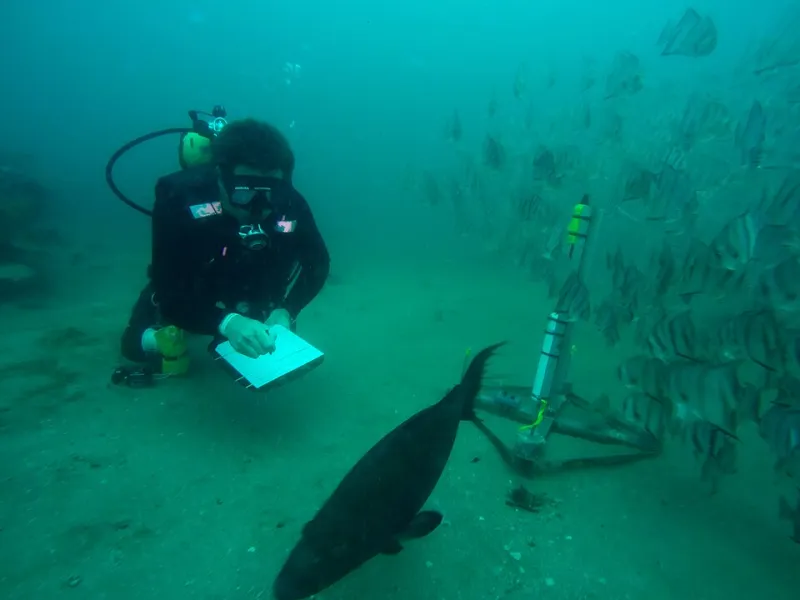
Several artists working in this space maintain close relationships with environmental scientists, accompanying research teams on sampling expeditions and gaining access to data that informs both the visual and conceptual dimensions of their work. Some incorporate water quality data directly into their compositions: a painting's color gradient may correspond precisely to dissolved oxygen levels recorded across a lake's surface on a specific date. The aesthetic becomes documentary.
In installation contexts, this scientific grounding takes on spatial dimensions. One approach that has appeared in multiple recent exhibitions involves large transparent tanks filled with cultivated algae cultures at varying stages of bloom, lit from below to emphasize the chromatic range of the organisms. Visitors move through a space that is simultaneously a laboratory, a garden, and a morgue.
The Ethics of the Seductive Toxic
Not everyone within the environmental art community is persuaded that this approach serves its stated purpose. Some critics argue that the gallery context necessarily neutralizes political urgency—that a bloom rendered as a luminous resin panel on a white wall in a Chelsea or Tribeca gallery space speaks primarily to the art market rather than to the communities most affected by water quality degradation, which are disproportionately low-income and communities of color.
This critique is taken seriously by several practitioners in the movement, who have responded by situating their work beyond traditional gallery walls. Site-specific installations placed directly at bloom-affected waterways, partnerships with environmental justice organizations, and the integration of community testimony into exhibition materials represent attempts to tether the aesthetic experience to its social and geographic context.
The question of who gets to find the bloom beautiful—and who is simply living with its consequences—remains one that this body of work raises without fully resolving. That irresolution may be its most honest quality.
Water as a Warning Written in Color
At Aqua Mosaics, we hold that water is among the most potent visual languages available to contemporary artists. The algal bloom, in this regard, is water at its most articulate: a surface inscription of everything human industry has deposited into watersheds over decades. When artists choose to read that inscription as both ecological data and visual composition, they are engaging in an act of translation that is, by its nature, imperfect and contested.
The works emerging from this movement will not save a single lake. They are not designed to. What they can do—what the best of them already accomplish—is make the comfortable viewer briefly uncomfortable, and make the invisible consequences of agricultural policy, municipal infrastructure failure, and regulatory neglect suddenly, viscerally present. In a cultural moment saturated with data about environmental collapse, the jolt of unexpected beauty may be one of the few remaining tools capable of cutting through.
The bloom is toxic. The art made from it is meant to be, in its own way, just as difficult to ignore.